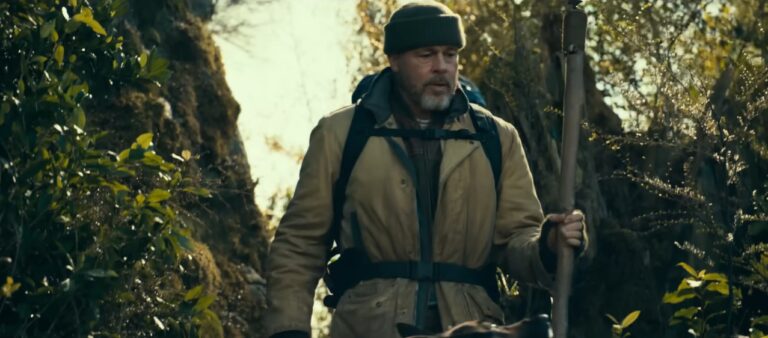
Linkin Park Unshatter Movie 2026: Theatrical Release, Plot, and Full Review
The return of Linkin Park has become one of the most emotionally complicated stories in modern rock. Seven years passed after Chester Bennington’s death in 2017, and during that time the band’s future seemed impossible to read. Would Mike Shinoda, Joe Hahn, Brad Delson, and Dave “Phoenix” Farrell ever want to make music together again? Even if they did, could they step onto a stage without turning the past into something it wasn’t? Linkin Park: Unshatter, directed by Joe Hahn with co-director Mark Ritchie, is built around those questions. The film follows the band through grief, hesitation, studio experimentation, and eventually the decision to begin again, with a limited worldwide theatrical release scheduled for September 30, 2026.
The Road to Unshatter: Context and Timeline
The story makes much more sense when you look at what happened before the comeback became public. The members of Linkin Park had repeatedly suggested that any return would have to happen naturally, without forcing a deadline or manufacturing a big reunion moment. That process reportedly began quietly in 2022, when the musicians started meeting for private studio sessions. At first, there was no grand plan for arenas or a new album. They were simply trying to find out whether making music together still felt right.
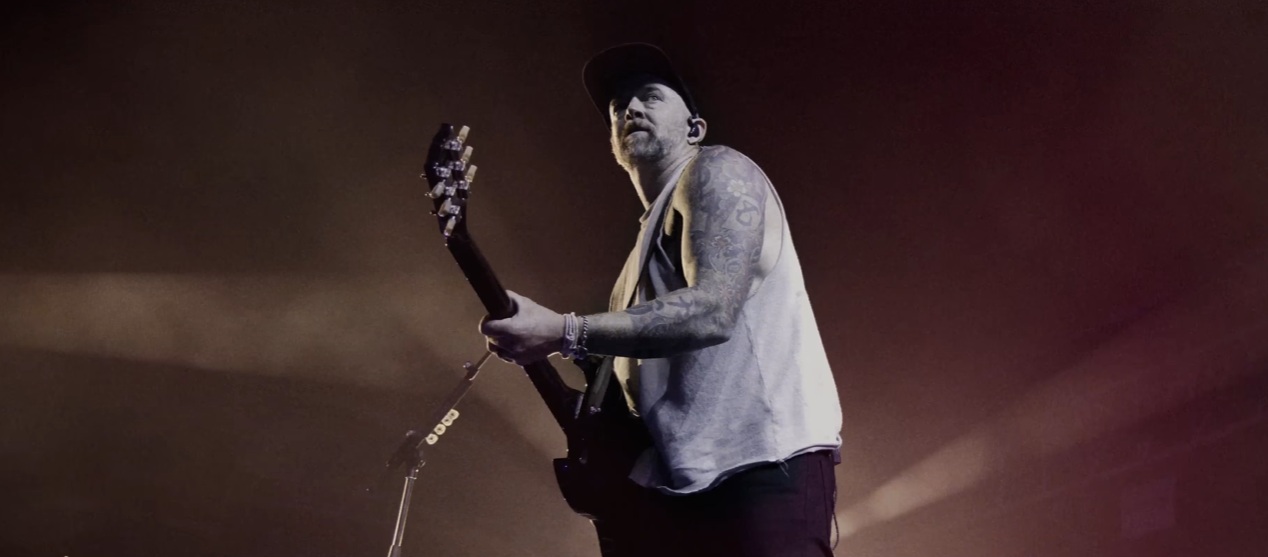
Those sessions eventually brought Emily Armstrong and drummer Colin Brittain into the picture. Armstrong, previously known for her work with Dead Sara, brought a different vocal identity to the group, while Brittain became part of the new rhythm section. The distinction matters because Unshatter treats the new lineup as a beginning rather than a replacement exercise. The film’s central tension comes from watching longtime members figure out what Linkin Park can be after everything that happened, rather than pretending the loss of Chester Bennington can somehow be erased.
That process eventually led to From Zero and the band’s return to the global stage. Unshatter is interested in the messy period before all of that looked inevitable. There are doubts, awkward moments, creative experiments, and plenty of uncertainty. That is where the documentary has the most to say.
The Plot and Structure of the Film
Linkin Park: Unshatter does not follow the familiar concert-documentary formula of interview, rehearsal, performance, repeat. Joe Hahn instead combines archival material with studio footage, candid conversations, behind-the-scenes moments, and large-scale live performances. The contrast is important. One minute the band is working through an arrangement in a relatively quiet room; the next, thousands of people are singing back at them from an arena floor.
The story begins around the band’s private work in 2022, when the possibility of a new chapter was still uncertain. The cameras capture the tension surrounding those early sessions and the first interactions between the longtime members and Emily Armstrong. Those scenes give the documentary its strongest emotional material because nobody has the benefit of hindsight yet. They do not know whether the experiment will work. They are trying to find out in real time.
Brad Delson’s position within the new era also receives particular attention. His decision not to join the live touring lineup is presented alongside his continued creative involvement with the band, giving viewers more context for a choice that could otherwise seem confusing from the outside. It is one of the film’s more useful reminders that a comeback does not have to mean returning to exactly the same version of a band.
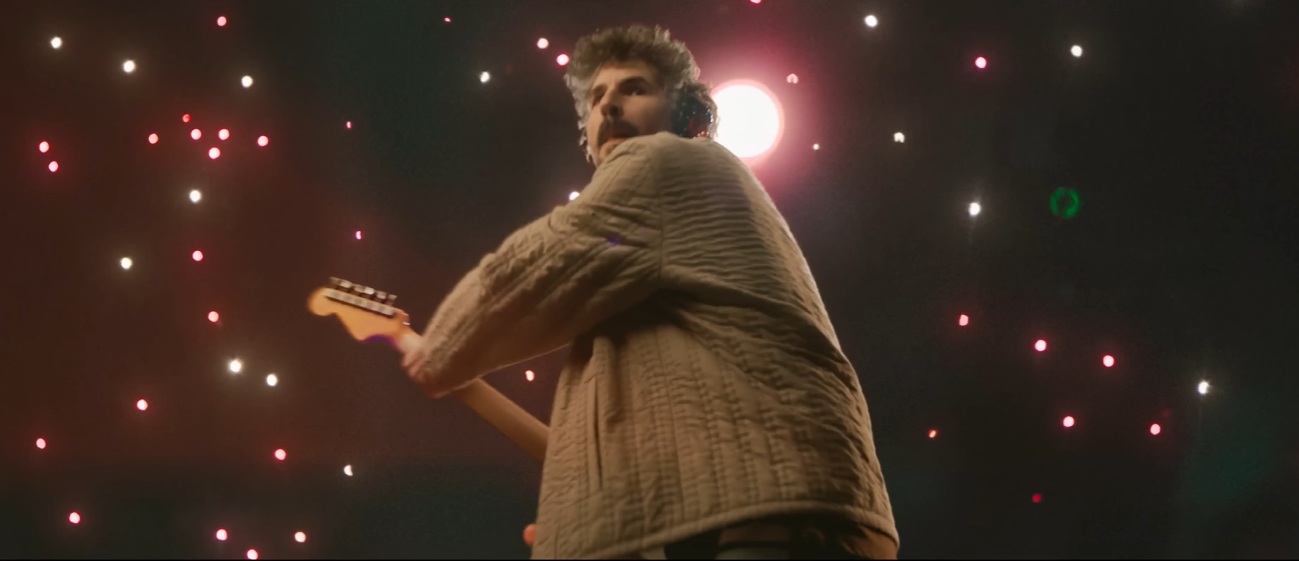
From there, the documentary moves into the writing and recording of From Zero. The atmosphere changes as the private experiment becomes a real project, and eventually the band has to confront the much larger question of performing these songs for an audience. The second half builds toward the band’s massive album-release concert at Allianz Parque in São Paulo, Brazil, where the intimate studio story gives way to huge crowds, stage lights, and the kind of volume Linkin Park has always understood better than most rock acts.
The São Paulo footage is also where the film leans hardest into spectacle. Select theatrical presentations use formats including ScreenX and 4DX, pushing the concert material toward something closer to an immersive event than a conventional documentary screening. Whether that adds anything depends on how much you want from the concert side of the movie, but the footage itself gives the film a much-needed physical release after so much time spent inside the band’s uncertainty.
Theatrical Release Details
The rollout has been designed as a short, premium theatrical event rather than a long cinema run. Trafalgar Releasing and CJ 4DPlex are handling the distribution, with the main worldwide theatrical date set for Wednesday, September 30, 2026. A final screening date is scheduled for Saturday, October 3, making the theatrical window unusually brief.
| Release Detail | Information |
|---|---|
| Film | Linkin Park: Unshatter |
| Main theatrical release | September 30, 2026 |
| Final listed screening date | October 3, 2026 |
| Directors | Joe Hahn and Mark Ritchie |
| Distribution | Trafalgar Releasing, CJ 4DPlex |
| Select formats | ScreenX, 4DX |
| Companion soundtrack | Unshatter Film Soundtrack (Live in Sao Paulo) |
| Soundtrack release | September 25, 2026 |
Tickets went on sale August 13 through the film’s official portal and ticketing services including Fandango. The band also released Unshatter Film Soundtrack (Live in Sao Paulo) on September 25, putting the concert material into listeners’ hands only days before the theatrical release.
There have also been special fan screenings connected to the Linkin Park Underground community. Events in cities such as Los Angeles have included appearances from Joe Hahn, Dave Farrell, and Colin Brittain, giving longtime fans another reason to follow the film beyond the standard theatrical campaign.
Early Critical Review and Media Reception
The early response has focused heavily on how vulnerable the documentary is willing to be. That matters because music documentaries can easily become polished promotional pieces, especially when the subject is a major band’s comeback. Unshatter appears much more interested in the uncomfortable parts of the process: hesitation, pressure, exhaustion, and the fear of getting something this important wrong.
Emily Armstrong naturally sits at the center of much of that discussion. Her position was never going to be simple, and the documentary does not pretend otherwise. Footage of vocal rehearsals, difficult sessions, and moments when the demands of the role clearly take a toll gives some sense of what it means to walk into a band with decades of history and one of rock’s most recognizable voices attached to its past.
Joe Hahn’s background also shapes the film in obvious ways. He has spent years building Linkin Park’s visual identity through music videos and other creative work, and that experience shows in the composition of the documentary. The camera is not simply recording events; it is often looking for texture, contrast, and small details that would disappear in a more straightforward music biography.
The São Paulo concert sequences provide the other extreme. The sound design is deliberately huge, especially during songs such as “Somewhere I Belong” alongside material from the From Zero era. After spending so much time watching musicians question themselves in rehearsal rooms, hearing an entire crowd sing back at the band changes the emotional temperature of the film.
Reddit, YouTube, and the Fan Conversation
The online reaction has been almost as interesting as the documentary itself. Since the trailer appeared, Linkin Park fan communities have spent plenty of time examining individual shots, lyrics, performances, and references to the band’s past. One recurring discussion concerns the way Chester Bennington’s legacy is handled.
For many fans, the important distinction is that the documentary does not appear to treat the new lineup as a way of rewriting Linkin Park’s history. Instead, the past remains visible throughout the story. The idea of “celebrating the scars” has become a recurring phrase in fan discussions because it captures the awkward middle ground the film seems determined to occupy: the band remembers what it lost while still allowing itself to move forward.
YouTube commentators and music channels have approached the film from a slightly different angle, focusing on what the behind-the-scenes footage says about the band’s decision to return. The 2022 studio sessions are particularly important here. Watching the members work together before there was a public comeback to sell gives the story a different shape from the usual narrative of a major act announcing a reunion and then documenting the resulting tour.
That does not erase the controversy surrounding the new era, and it should not. Some listeners remain uncomfortable with the idea of Linkin Park continuing without Chester, while others have embraced Armstrong and the new lineup. Unshatter seems strongest when it allows that tension to exist instead of trying to solve it with a neat statement. The band cannot recreate what existed before 2017, and the film is more compelling when it accepts that fact.
Linkin Park Unshatter Documentary 2026: Where to Watch, Stream Online, and Release Date
Final Review
What makes Linkin Park: Unshatter interesting is not simply the sight of Linkin Park back on a huge stage. We’ve already seen the comeback. We’ve heard the new songs. We know the broad outline of what happened. The more revealing material lies in the uncertain period before any of that was guaranteed.
The documentary’s best scenes are the ones where the musicians are still figuring things out. There is no polished answer yet, no arena crowd to provide reassurance, no finished album to point toward. Just a group of longtime collaborators sitting in a studio and trying to decide whether creating together still makes sense. That gives the later concert footage more weight because the audience has already seen how fragile the process was.
The film also works because it refuses to make grief disappear just because the band has found a new direction. Chester’s absence remains part of the story, while Emily Armstrong’s presence creates a different one. Those two realities exist side by side, and the documentary is at its most convincing when it does not force them into a single emotional message.
For Linkin Park fans, the short theatrical run makes Unshatter a particularly unusual release. It is part concert film, part comeback chronicle, and part record of a band trying to understand what its own name means after years of silence. The September 30 theatrical release and October 3 final screening date give it a deliberately narrow window, while the São Paulo material and behind-the-scenes footage make the cinema presentation feel distinct from simply watching another live performance online.
Linkin Park: Unshatter is ultimately about a band that could not go backward and had to decide whether moving forward was possible. The documentary does not make that choice look easy. That is exactly why the quieter scenes matter so much. The comeback only becomes meaningful once you see how much uncertainty existed before anyone knew whether Linkin Park could sound like Linkin Park again.